




28 Sep The Science Behind Wine Headaches
Identifying the causes and fixes for unpleasant symptoms after drinking wine
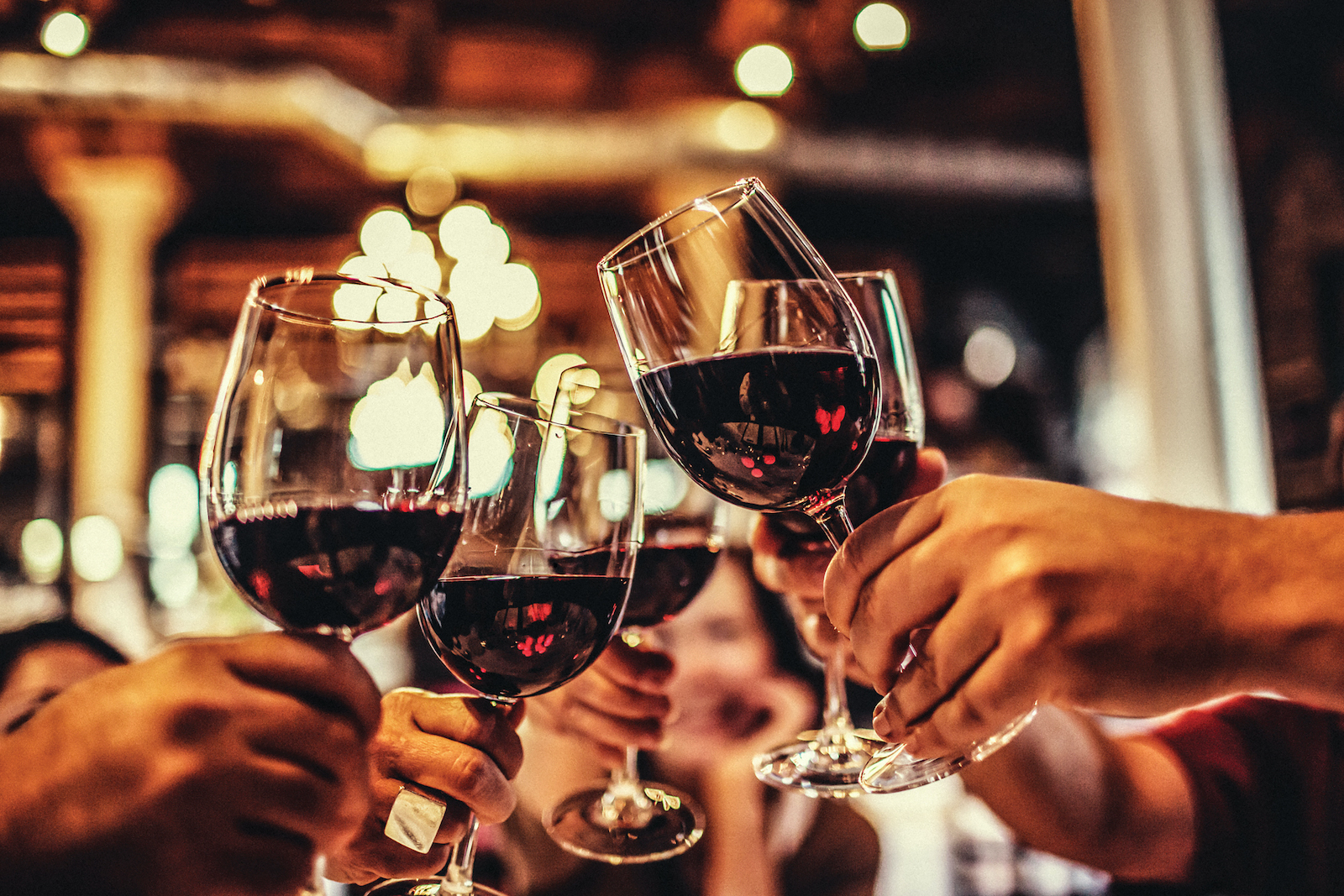
Savoring wine with family and friends is among life’s wonderful pleasures—the storytelling, the laughter, the lasting memories created. Yet for some wine enthusiasts, a single glass may trigger unpleasant side effects that negate the good times.
If you drink wine, especially red wine, and suffer from headaches, nausea, flushing or malaise, keep reading: Relief is in sight. But first, a look at the causes.
Guilty Parties
Culprits for these side effects, particularly headaches, fall into three categories: histamines, tannins and quercetin, all of which are amplified by alcohol.
The first byproduct of alcohol metabolism is acetaldehyde. When not metabolized fast enough, acetaldehyde can trigger hangover-like symptoms. Aldehyde dehydrogenase, or ALDH, is the enzyme produced by the liver that breaks down acetaldehyde.
Quercetin plays a significant role in this.
A plant pigment and potent antioxidant, quercetin is found in onions, berries, cherries, broccoli, citrus fruits, walnuts, grapes and, yes, red wine. As an antioxidant more powerful than vitamins C, E and beta carotene, it is beneficial to our health.
But when quercetin is present in our blood after drinking red wine, it is a powerful inhibitor of the ADLH enzyme, allowing the level of pesky acetaldehyde to rise and do its dastardly duty. A 2023 UC Davis study found that quercetin—not additives such as sulfites, as previously believed—is a major inhibitor of ADLH.
The amount of quercetin in wine starts in the vineyard. Longer exposure to sunlight can produce 10 times as much quercetin in grapes as those grown in shaded clusters. Winemaking techniques such as oak aging and extended extraction, which involves leaving grape skins and seeds to soak in fermented wine to enhance flavor and texture, can also contribute to higher quercetin.
Another culprit, histamine, is found in grape skins. Because red wines are fermented from the whole grape, including the skins, they contain more histamines than white wines, which are typically fermented without the skins.
Some people lack the enzyme in their small intestine that breaks down histamine. Alcohol also inhibits this enzyme, allowing histamine levels to rise in the bloodstream, leading to dilation of the blood vessels and headache.
Histamines are a type of biogenic amine, a family of compounds found in wine fermentation and in the technique of malolactic conversion, the latter used in the production of nearly all red wines and many white wines.
Ironically, foods often served with wine, including salami, aged cheeses, nuts and dried fruits, can compound the negative effects of biogenic amines.
Tannins are also found in red wine and come from the seeds, skins and stems of grapes. Tannins can release neurotransmitters in the brain, particularly serotonin. A sudden spike in serotonin can trigger a headache in sensitive individuals.
Although tannins are metabolized into powerful antioxidants by the gut microbiome and can improve gut health with moderate consumption, they can also dilate blood vessels in the brain, causing headaches.
Yet tannins are also high in coffee, chocolate and tea. So if those products don’t give you headaches, tannins are likely not the primary problem.
Alcohol is also a diuretic, which can cause dehydration and thus dilate blood vessels to the brain, causing increased blood flow and inflammation, which leads to the throbbing sensation that can accompany a headache.
Add dehydration to the mix, and you have a “cascade effect,” says Deborah Parker Wong, a longtime journalist and wine educator at San Jose State University.
“Aging is a factor, as well,” Parker Wong adds. “Our bodies must work harder to burn through these compounds.”
Preventative Measures
The good news is that you can take measures to reduce or even eliminate negative side effects from wine.
Choose white wines, rosés or red wines that are lower in tannin, quercetin and alcohol. Think pinot noir, Beaujolais nouveau or a chillable 2025 vintage Claret, which is enjoying a resurgence from Bordeaux to produce fresher, lower-alcohol wines (11 to 12 percent). Of course, pairing wine with food also slows alcohol absorption.
Because headaches are caused by dilated blood vessels, have a cup of coffee or tea before drinking, as the caffeine can restrict blood vessels. This is one of the oldest “tricks” in the book to avoid headaches, and some sommeliers are even known to take NoDoz caffeine pills before wine-judging events.
To avoid dehydration, drink one glass of water for each glass of wine and consume in moderation. If you are histamine-sensitive—with gastrointestinal symptoms or stuffy/runny nose and itching in addition to headache—consider a non-drowsy antihistamine before enjoying wine.
There is a newer product to consider, as well.
Dihydromyricetin, or DHM, is a natural antioxidant compound extracted from the Japanese raisin tree that enhances the activity of the enzyme ADLH in the liver. It breaks down acetaldehyde and interacts with brain receptors to expedite alcohol metabolism. Both mechanisms support the body’s ability to reduce toxic byproducts and the associated side effects, including brain fog and, especially, headaches.
Before taking any supplement, however, ask your physician and research products that don’t contain additives.
Parker Wong concurs with the efficacy of DHM. When wine judging, she will take DHM if she’s tasting wines that are subject to long hang times and longer extraction periods, and thus contain high levels of quercetin.
“I’ll take two capsules of DHM before dinner and two capsules before bed, and I won’t wake up with a headache or hot flashes at 3 a.m.,” she says. “DHM lends a ‘helping hand’ to acetaldehyde metabolism.”
Another suggestion is to stop drinking a few hours before bed. Apply this simple formula: 4 to 5 ounces of wine requires one hour to metabolize. Taking a brisk walk before bed can also help.
If you suffer from unfavorable symptoms when drinking red wine, consider the culprit and remember these remedies. You may enjoy a glass or two without the pain. Cheers!
Celeste Leon is a published novelist and wine steward at Grocery Outlet in Truckee. She earned her Level 3 Award in Wine from WSET (Wine and Spirit Education Trust), the largest provider of qualifications for wine and spirits in the world. Leon has completed 14 wine classes to earn her Wine Studies Certificate of Achievement in spring 2027.
No Comments